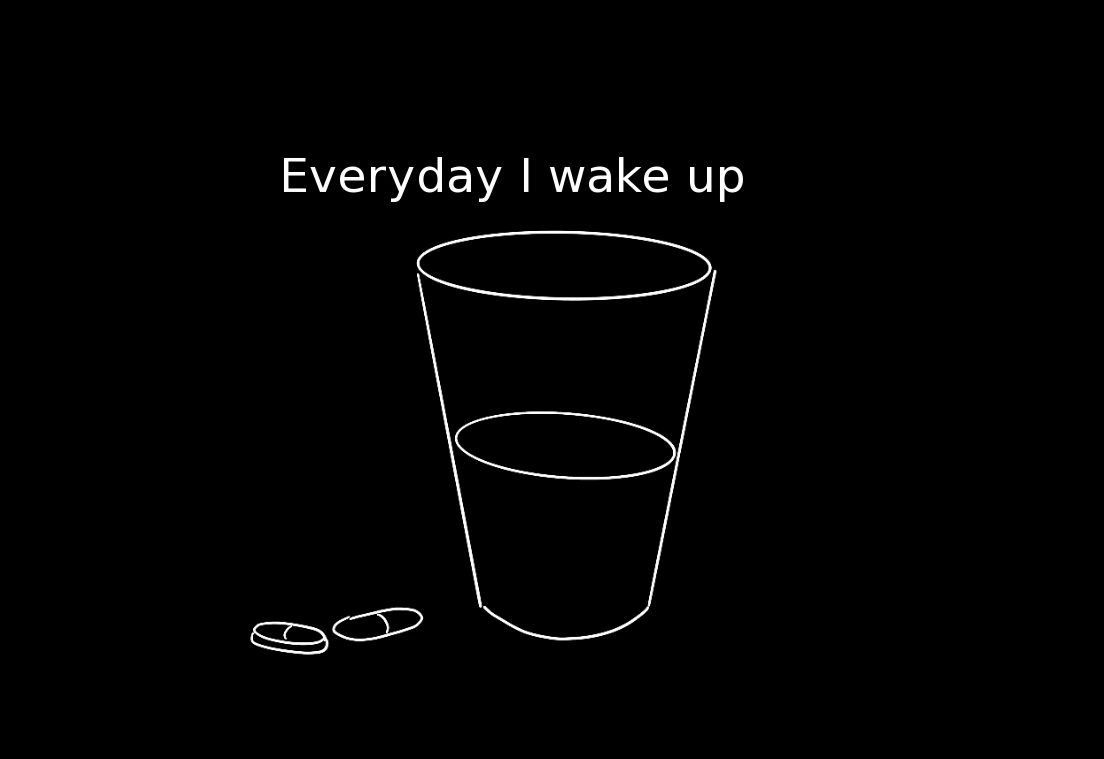

















Over Dose organizes its tension around the repeated morning dose, familiar rooms, and ordinary instructions that make compliance feel easier than investigation. The opening image of pills beside a glass turns an ordinary morning action into the story's first rule. Nothing needs to leap from the dark for the scene to feel unstable. Repetition supplies the pressure: wake, take the medication, move through familiar rooms, listen to instructions, and decide how much of the routine belongs to the protagonist. When a later detail changes, the player already understands what was supposed to remain constant. That contrast makes observation as important as dialogue choice.
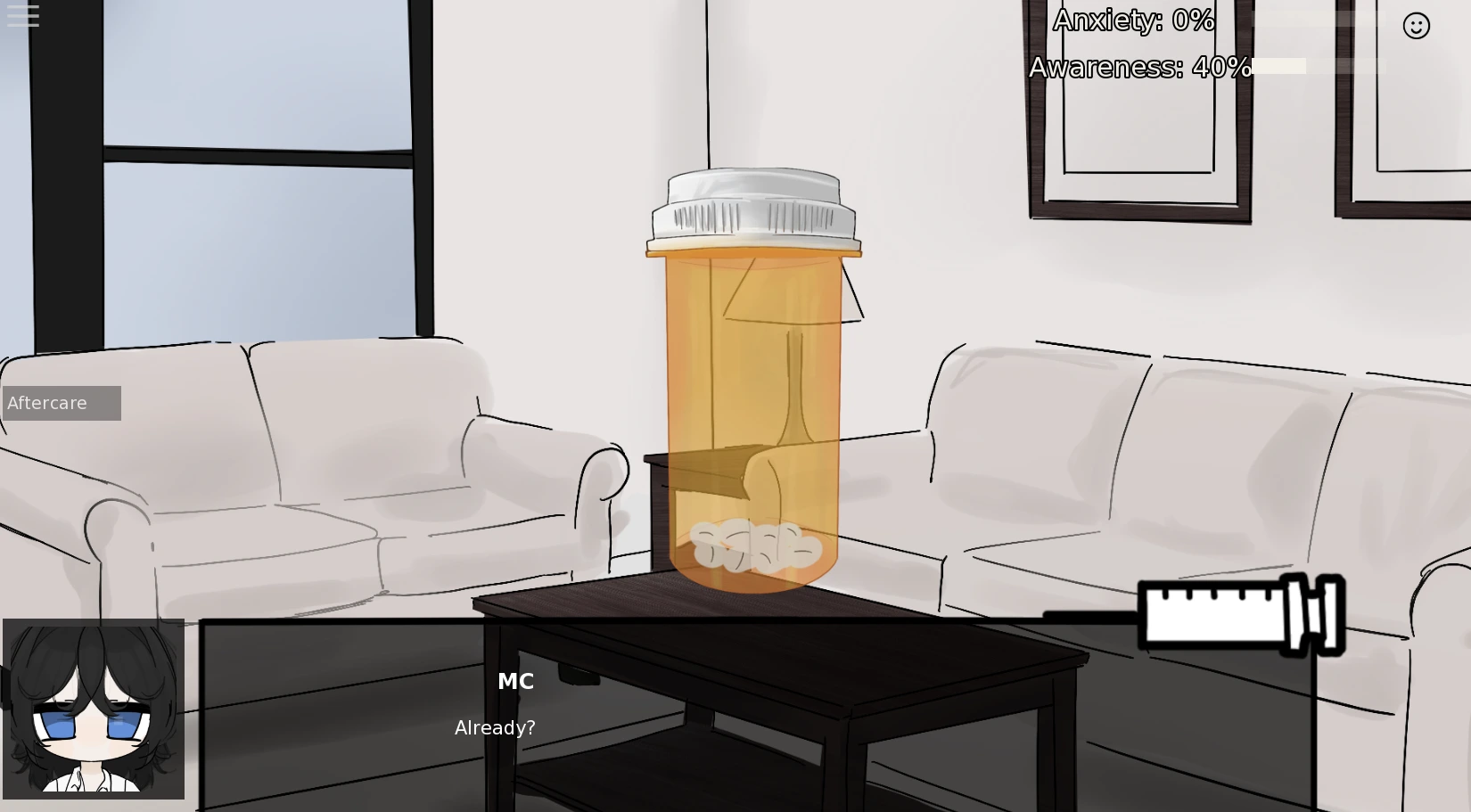
This BloodMoney 2 edition reads the visible Anxiety and Awareness values as a behavioral economy rather than a simple morality score. Knowledge may improve the protagonist's ability to recognize manipulation, but obtaining it can also create fear, conflict, or a loss of comforting certainty. A low number is not automatically healthy, and a high number is not automatically victory. The useful question is what each decision purchases and what it quietly spends: information, emotional stability, trust, independence, time, or access to another room. Thinking in those terms keeps the interface connected to the story instead of treating it as a detached dashboard.
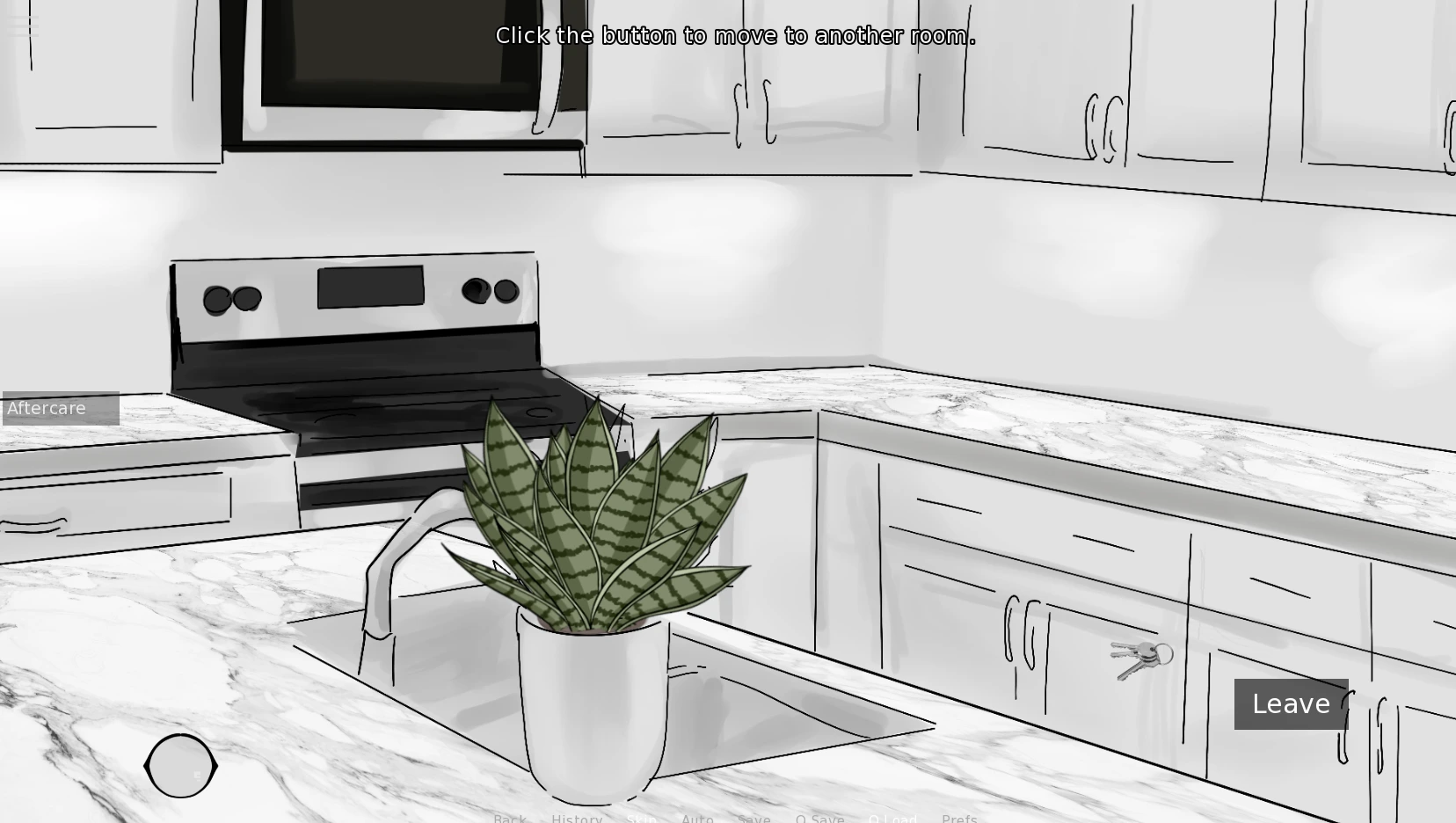
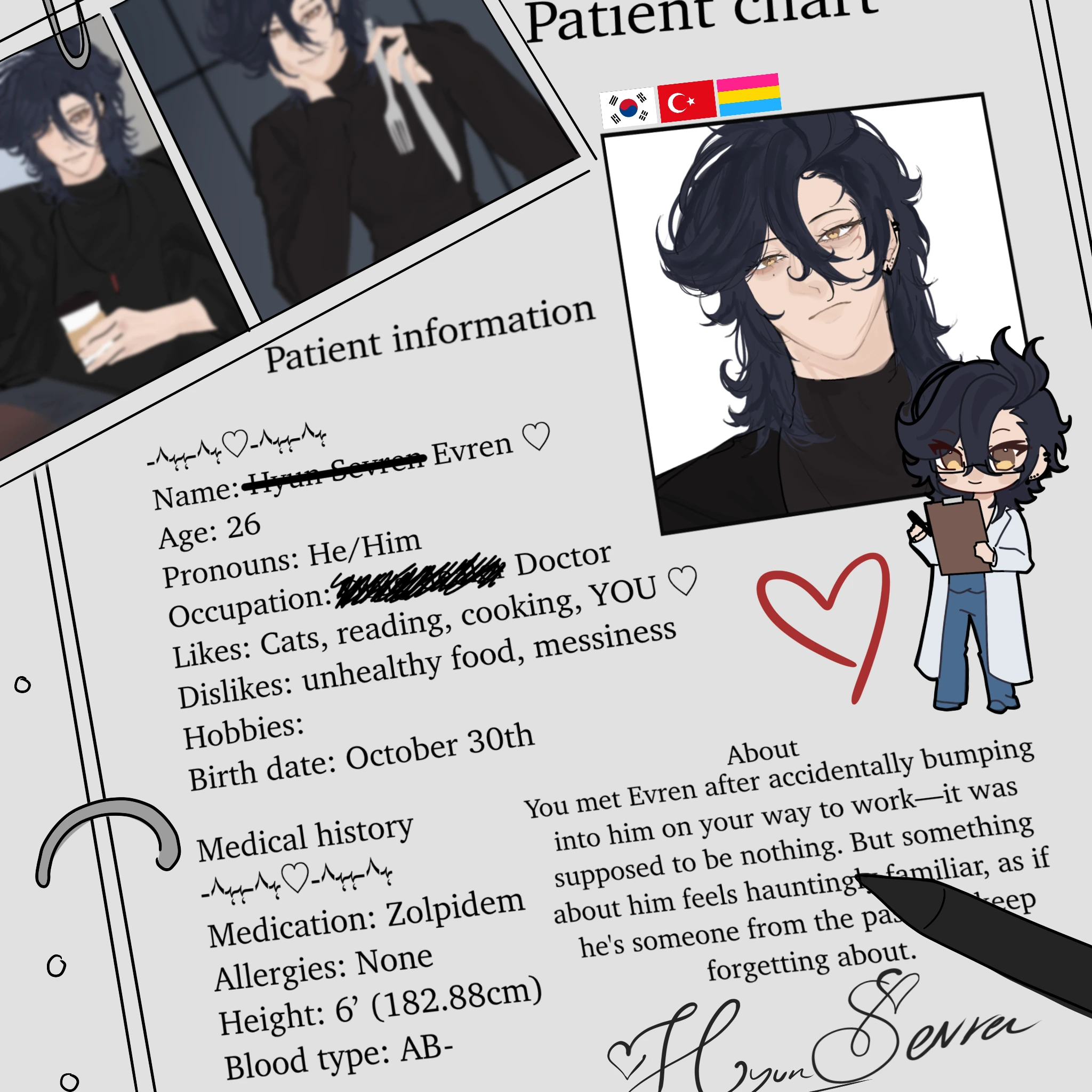
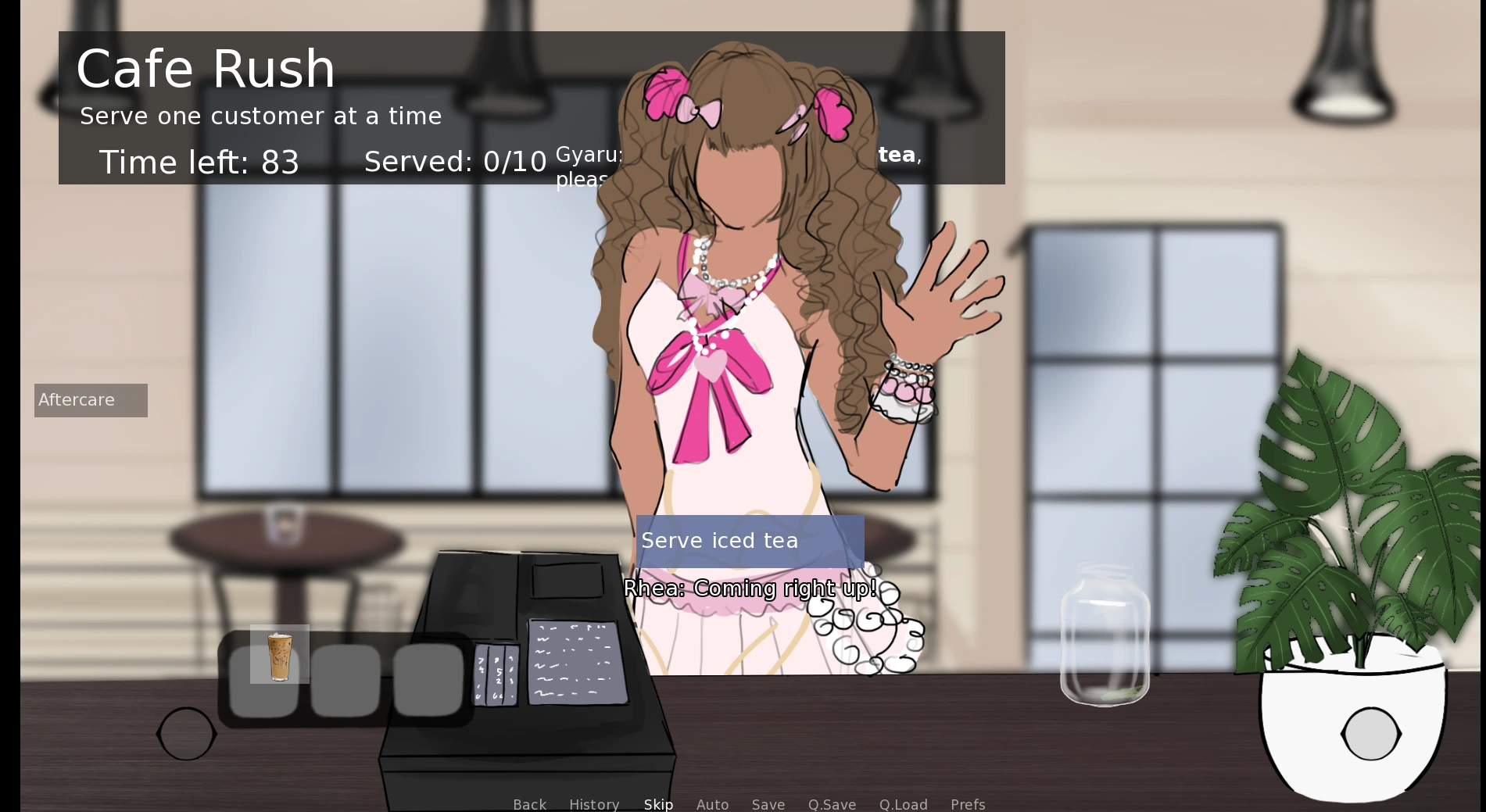
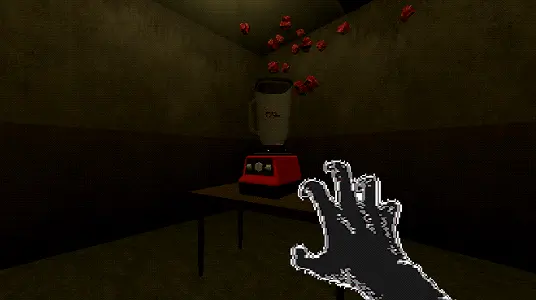
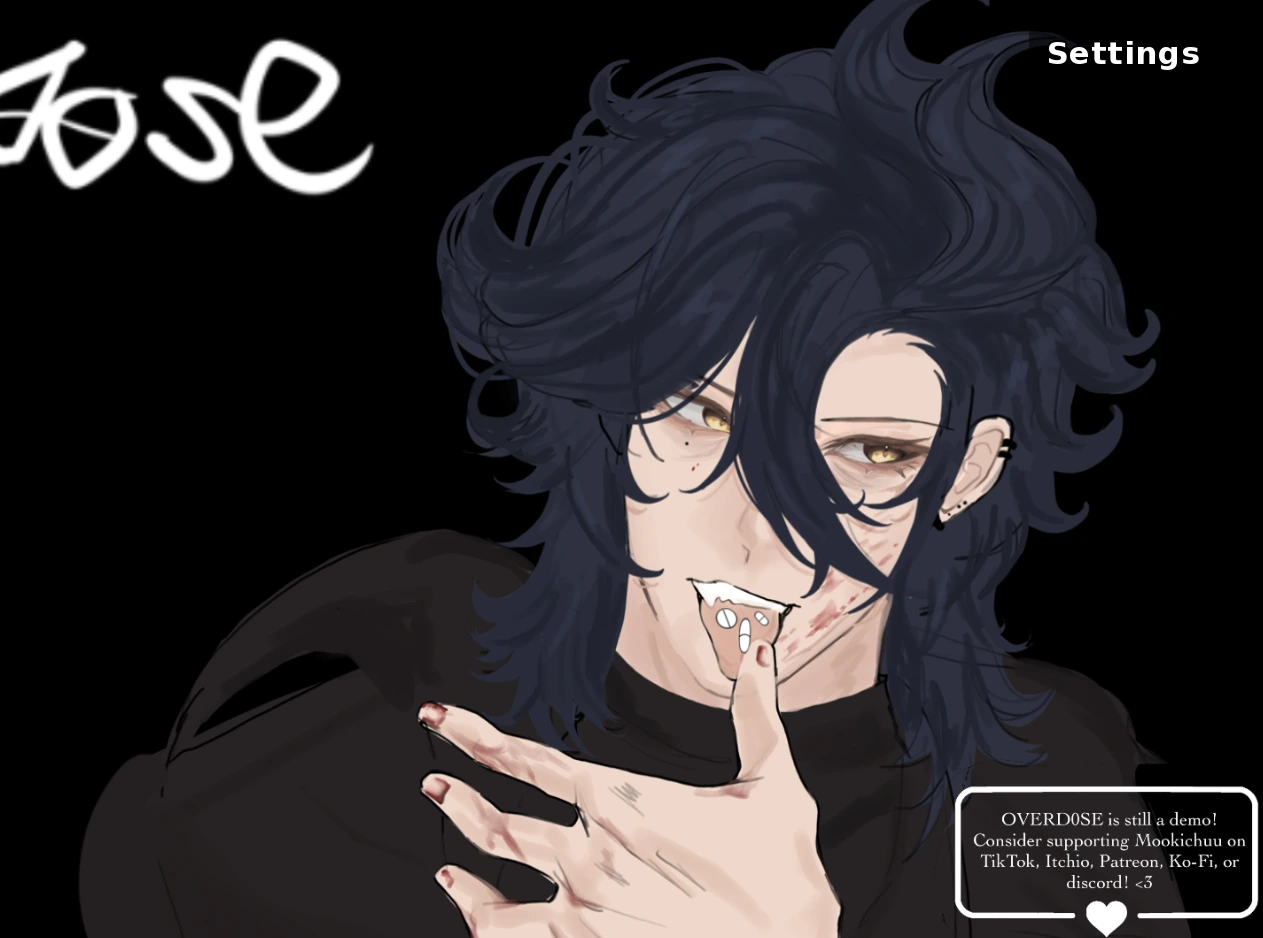
A deliberate route should compare one variable at a time. Choose whether the protagonist prioritizes evidence, immediate safety, or attachment, then keep that priority recognizable through several scenes. The supplied screenshots show exploration prompts, Aftercare, a patient chart, and a timed Cafe Rush segment, so Over Dose is not confined to passive reading. It asks the player to manage attention across dialogue, environments, status feedback, and short mechanical interruptions. The current build identifies itself as a demo; route discussion should therefore preserve uncertainty rather than present speculation as a finished ending guide.