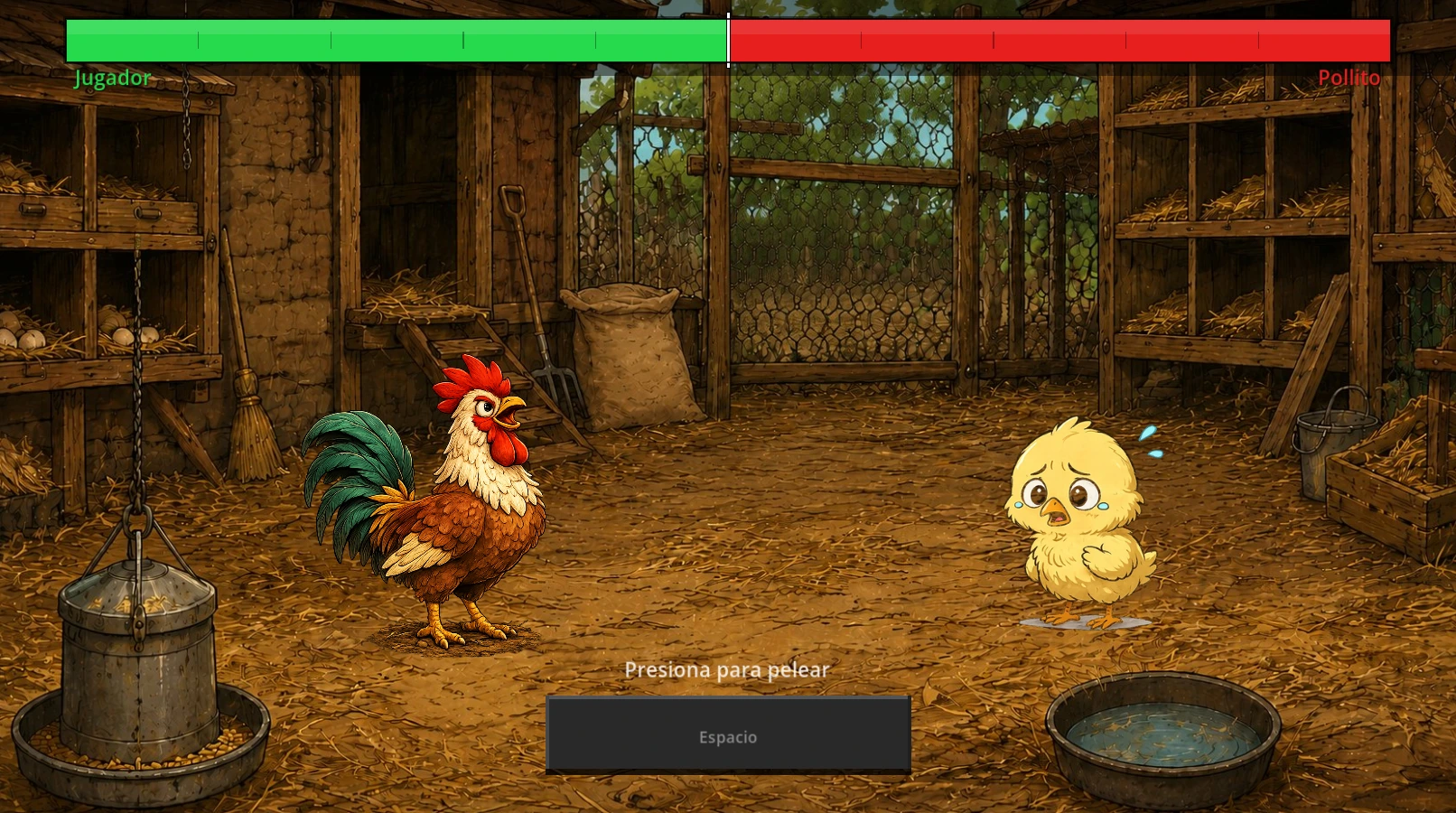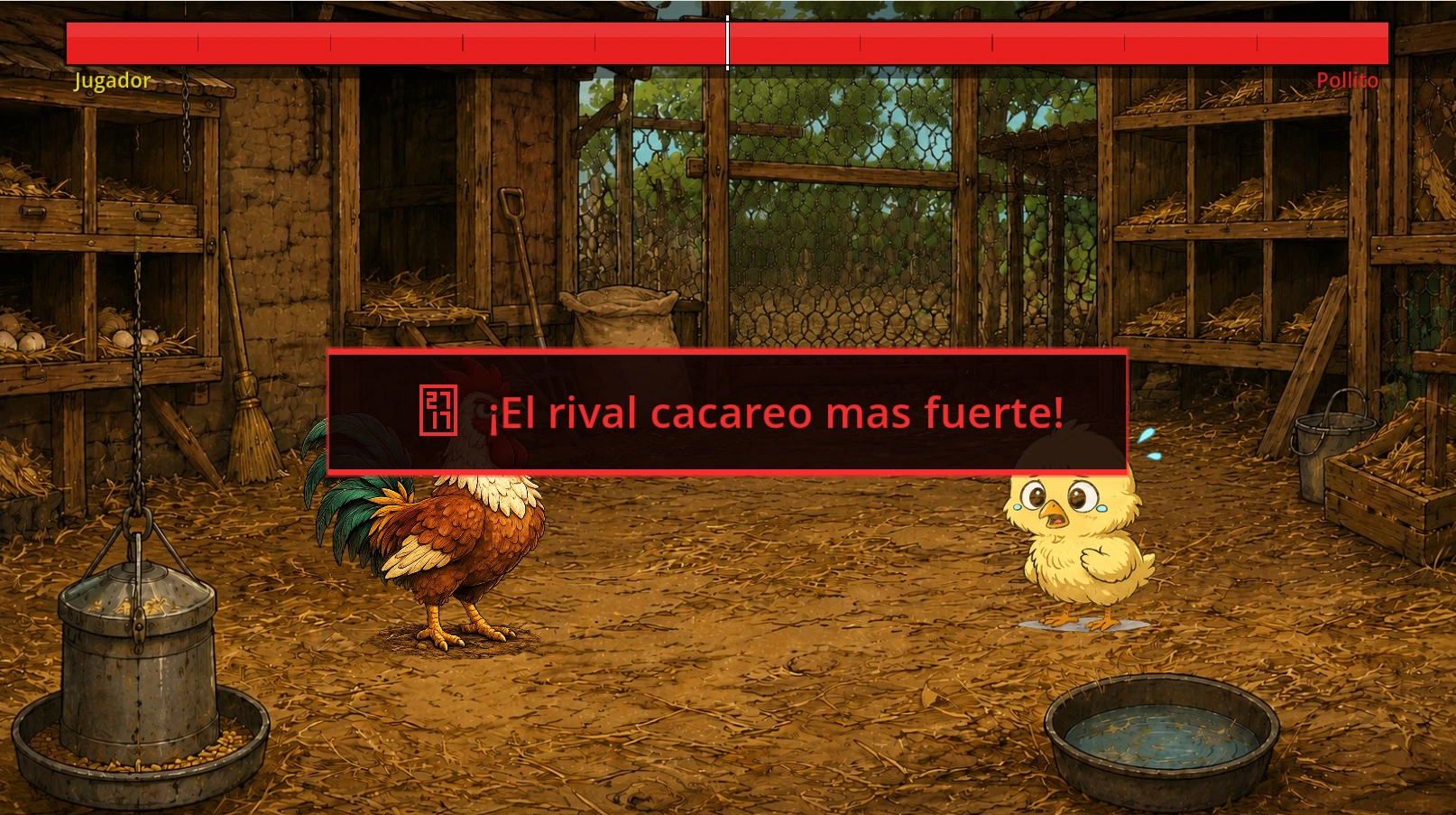






















Cluck Battle turns a brief microphone window whose level becomes visible battle pressure into a compact control problem. In the Blood Money Game Collection, that makes it useful to approach the first attempt like a signal test rather than a final score run. Confirm which microphone is active, watch what the interface reports, and notice the delay between making sound and seeing the result. A player who understands that feedback loop can improve without guessing. The visible outcome is only the end of a chain that begins with permission, device choice, distance, room noise, and a clear decision about what the next sound is meant to accomplish.
A reliable experiment is to begin with ordinary speech and observe the bar across the complete interval. Hold microphone position, browser settings, and background conditions steady while changing that single behavior. Repeat the result before drawing a conclusion. When a run fails, identify the earliest moment when the screen stopped matching the plan. The final collision or loss may be dramatic, but it is often caused by an earlier calibration mistake, overlapping voice, breath burst, clipped input, or correction that arrived after the useful window. This method turns short attempts into comparable data while preserving the playful character of the game.
Safe input is also better input. Headphones prevent game audio from returning through speakers, a stable distance reduces sudden level changes, and comfortable speech or humming is easier to repeat than a strained performance. Do not treat microphone play as a contest to become endlessly louder. Adjust placement and gain first, pause when the voice feels tired, and never pressure another participant to be recorded. Once the opening routine works, keep it unchanged and focus on the next uncertain section. Controlled replay saves attention for decisions that actually differ and makes progress easier to explain.
Browser behavior belongs in the strategy because embedded games depend on permission and focus. Click inside the frame after loading, reload once after changing access, and close conferencing or recording software that may hold the microphone. On mobile, keep the browser in the foreground and use the orientation that preserves the entire interface. Private windows, managed devices, and aggressive privacy extensions may block capture or storage. Testing ordinary speech in system settings helps distinguish a hardware problem from a game-specific one before repeated refreshing turns a simple permission issue into frustration.